






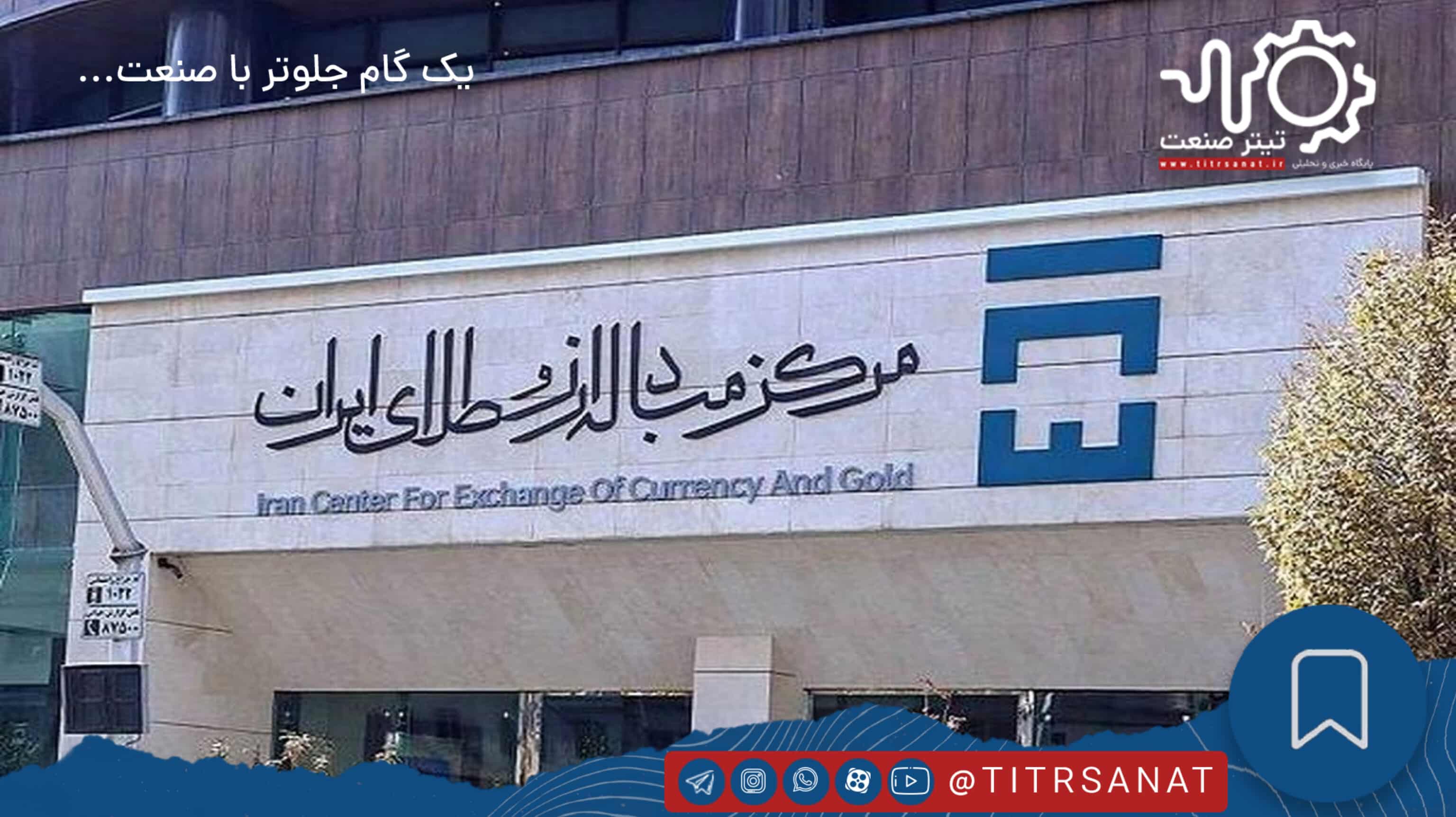

According to Fatemeh Bagheri, Editor-in-Chief of Titrsanat, under the new structure of the Exchange Center, the First Hall effectively functioned as a “supportive” board, where foreign currency was supplied at lower rates and with a clear gap from the open market for selected items. However, many sensitive services have now been removed from this support framework and transferred to the Second Hall.
The inclusion of 59 service categories — covering medical currency, student currency, travel expenses, fees for registration in exams and scientific conferences, membership dues for international organizations, consultancy services, transportation, insurance, communications, foreign-currency-based salaries and wages, and other service-related payments — into the Second Hall exposes them directly to rates close to the free market. This shift effectively alters the exchange-rate anchor for these sectors.
Additional Pressure from the Second Foreign Exchange Hall on Household Health and Welfare

The removal of medical foreign exchange from the First Hall and its pricing based on the Second Hall dollar manifests itself on multiple levels: higher costs for imported medicines and medical equipment, increased expenses for hospital and paraclinical services that depend on foreign currency, and ultimately a larger share of healthcare spending within the household cost basket.
At the same time, the transfer of student foreign exchange, educational and research-related currency, fees for international examinations, and other academic services to the Second Hall places additional pressure on families who had planned for their children’s education abroad or within international academic pathways. These households are now facing a sudden and significant surge in costs.
Implications of the Second Foreign Exchange Hall for Businesses, Universities, and Professional Institutions

Healthcare service providers, hospitals, educational institutions, consulting firms, aviation, transportation, insurance, telecommunications companies, and other businesses that cover part of their costs in foreign currency are now compelled, following the shift to the Second Hall, to redesign their pricing structures; either by raising tariffs or by absorbing operational losses.
Universities, research centers, and professional institutions that require foreign currency for conference participation, membership in international associations, patent registration, access to global databases, and international digital services are, as a result of this change, exposed to reduced international engagement, scaled-back collaborative projects, and a diminished global presence. In the long term, this outcome may adversely affect the country’s scientific and technological standing.
Inflationary, Fiscal, and Distributional Effects of the Second Foreign Exchange Hall Decision

The shift in the reference exchange rate for these 59 services from approximately 77,000 tomans to 107,000 tomans per dollar (an instantaneous rate change) implies a cost surge of over 30 percent in their foreign-currency expenses. In today’s service-oriented economy, such an increase rapidly spills over into broader services inflation — spanning healthcare, education, travel, and insurance.
At the fiscal level, although the removal of preferential and NIMA exchange rates ostensibly reduces the foreign exchange commitments of the government and the central bank, in practice the transfer of pressure to households and businesses increases the likelihood of demands for new support packages, higher insurance budgets, and compensatory subsidies. As a result, a significant portion of the apparent foreign exchange savings may ultimately return to the government in the form of expanded rial-denominated obligations.
Social Scenarios and Proposed Strategies for the Second Foreign Exchange Hall
Experience with the removal of preferential exchange rates in the pharmaceutical sector and essential goods has shown that, in the absence of compensatory mechanisms, the social consequences of such decisions can range from public dissatisfaction to the emergence of informal markets, declining service quality, and an intensified sense of inequality.
To transform this structural change into a sustainable reform rather than an inflationary shock, several measures are essential: the genuine strengthening of basic and supplementary health insurance schemes; the design of targeted support packages for patients with special diseases and low-income groups; the provision of low-interest facilities for students and researchers; and full transparency regarding the list of covered services and applicable exchange rates. Otherwise, the transfer of 59 service categories to the Second Hall is more likely to result not in greater foreign exchange efficiency, but in the expansion of health and education poverty and a deepening of class disparities in access to essential services.
















Comments