

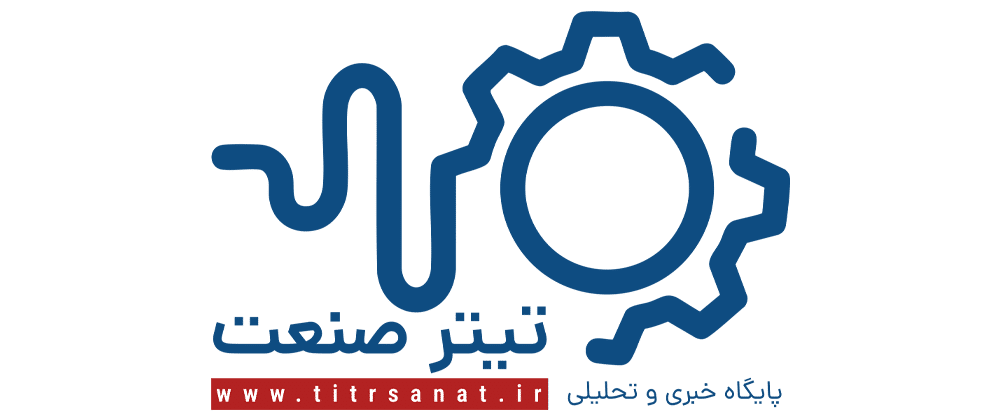

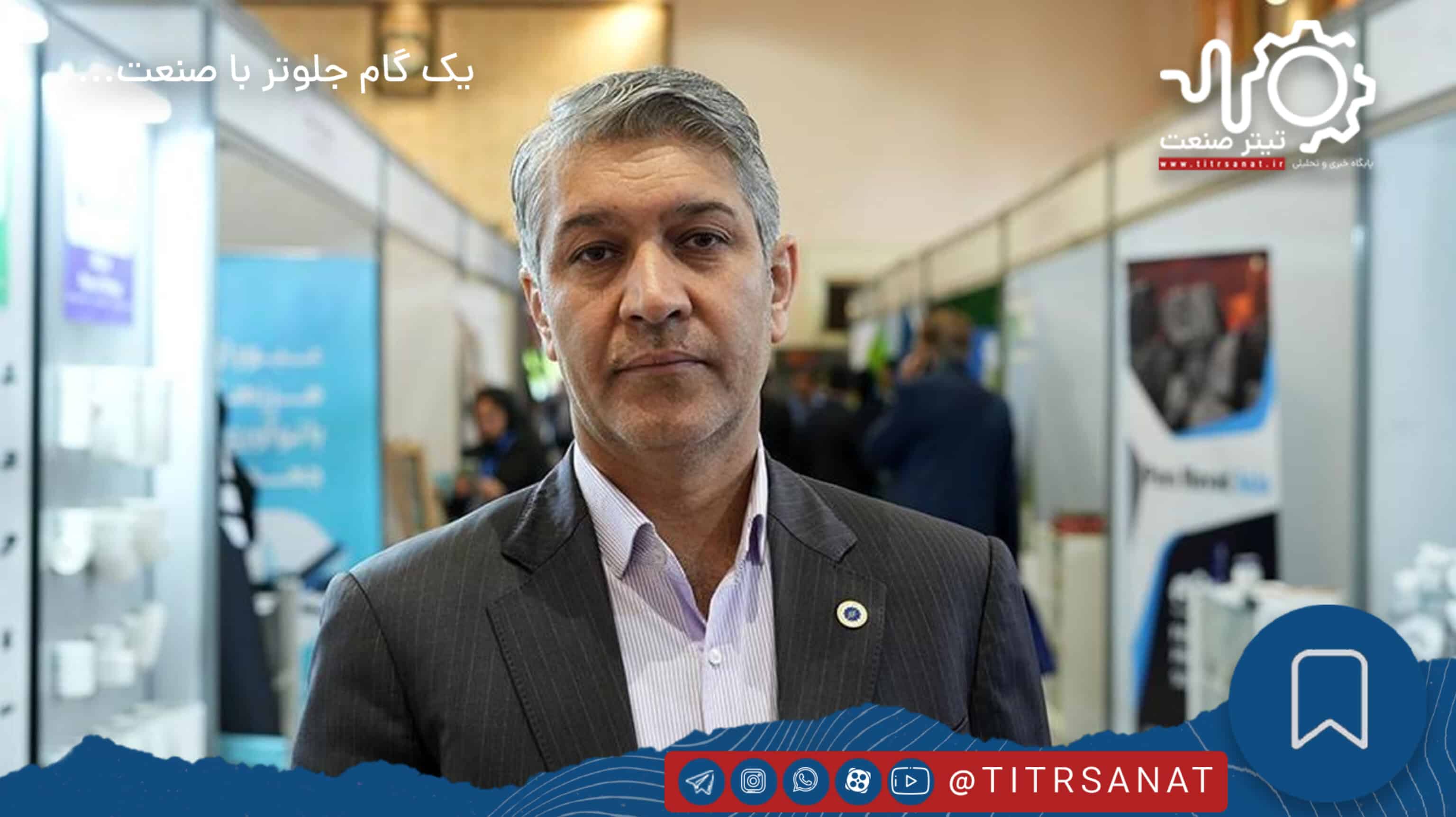

According to Titrsanat, the mining sector has the potential to act as a savior of the national economy. The President of the South Khorasan Chamber of Commerce, Industries, Mines and Agriculture stated that mining is one of the sectors that requires substantial investment and has historically faced challenges related to raw material exports. However, the geographical dispersion of mines across desert regions has led to the creation of sustainable employment for local communities, which in itself represents a form of social responsibility toward rural areas.
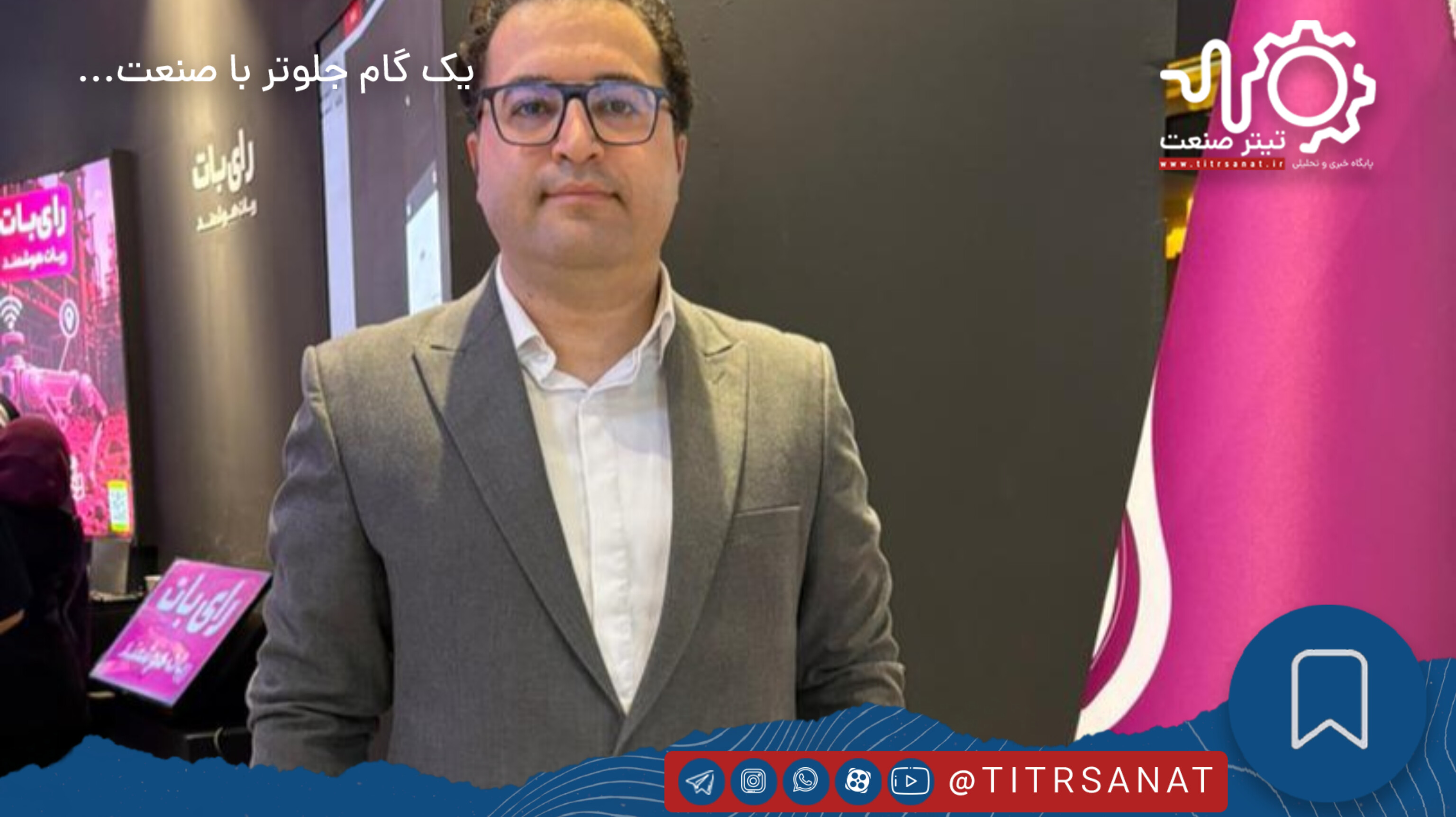
Khamehzar added: “The mining sector in Iran has the capacity to help the economy overcome its current challenges, provided that investments are managed properly to ensure balanced development across various mineral segments, rather than concentrating capital in only a few specific minerals.”
Mining Records of South Khorasan Province
Referring to the high diversity of mineral reserves in South Khorasan Province, he stated that the province hosts ten different types of mineral resources and holds national records in three of them. He noted: “South Khorasan is home to the country’s largest coal complex; 72 percent of Iran’s bentonite reserves are located in this province, and more than 90 percent of the country’s refractory materials are supplied from here. In addition, gold, copper, and iron mines are also actively operating in the province.”
Mining; A Pathway to Sustainable Development for an Arid Province
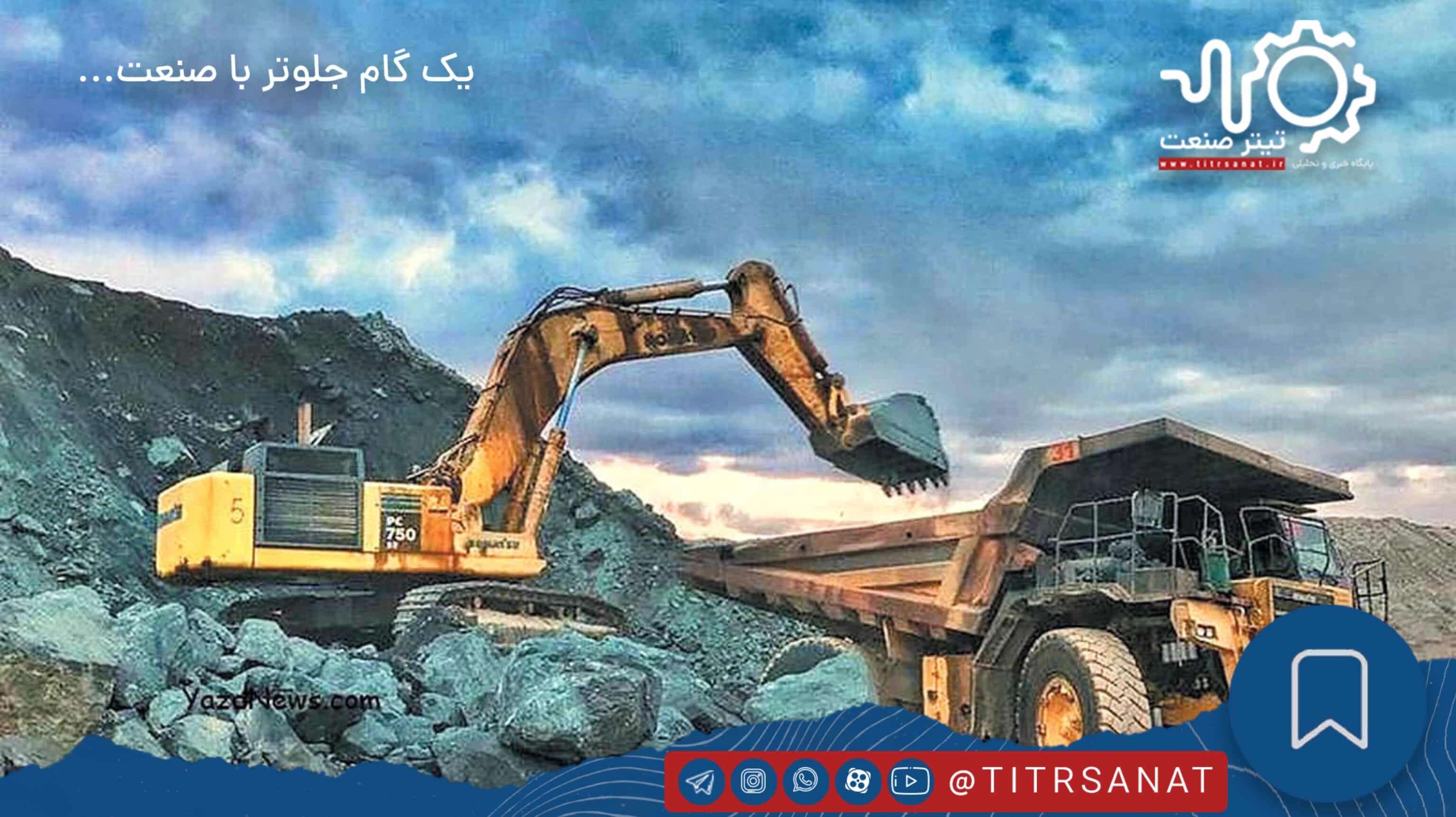
Referring to the climatic conditions of South Khorasan Province, Khamehzar emphasized that widespread drought has made agriculture difficult in the province; therefore, economic development is being pursued through the mining sector. He added: “We are seeking to establish mineral processing industries within the province to prevent raw material exports, so that value added is created locally rather than leaving the region. Given water scarcity, we must move toward low-water-consuming industries based on mineral resources.”
According to Khamehzar, the absence of railway lines and the poor condition of roads constitute one of the main obstacles to mining development in South Khorasan. He stressed: “Transportation costs play a decisive role in the final price of mineral products. The closer processing industries are located to the mines, the lower these costs become. Therefore, investments should be concentrated at the mine sites themselves to generate both employment and economic efficiency.”
New Opportunities for Mining Cooperation with Afghanistan
Referring to the province’s border location, the head of the South Khorasan Chamber of Commerce, Industries, Mines and Agriculture stated: “We share a 900-kilometer border with Afghanistan, and with the onset of a mining surge in that country, significant opportunities for cooperation have emerged. The Afghan government is interested in exporting certain minerals such as lead, zinc, talc, and coal, and the groundwork for joint investment has been established.”
He added: “I urge Iran’s mining stakeholders to view Afghanistan as an opportunity. There is strong potential for exporting technical and engineering services, consultancy, drilling, processing, and even surveying. Iranian companies can play an effective role in this field by relying on their technical expertise.”
Khamehzar highlighted the special incentives offered by South Khorasan Province for mining investors, stating: “South Khorasan is among Iran’s less-developed provinces; however, to attract investment, a 15-year tax exemption has been granted. Ready-made investment packages in the mining sector have been prepared, allowing investors to participate based on their priorities—ranging from polymetal mines to building stone projects.”
He continued: “The province’s industrial infrastructure is in place, there are no major energy constraints, and the security situation is highly favorable. The availability of specialized graduates in mining-related fields, combined with relatively low labor costs, has created very attractive conditions for investors.”
Red Carpet for the Private Sector
Referring to the full readiness of provincial institutions to cooperate with the private sector, the head of the South Khorasan Chamber of Commerce, Industries, Mines and Agriculture stated: “The Chamber of Commerce and other government bodies fully welcome investors. We have provided security, energy supply, land, and legal support to enable mining investors to operate in the province with minimal concerns.”Concluding his remarks on the organization of the South Khorasan Mining Pavilion in Tehran, Khamehzar said: “Our objective is to introduce the province’s mining capabilities at both national and international levels. Unfortunately, our capacities have not been adequately recognized. By participating in Tehran, we aim to attract domestic and foreign investors, encouraging joint ventures with local companies so that, through the combination of capital, machinery, and technical expertise, South Khorasan’s mining sector can achieve sustainable growth.”









Comments