


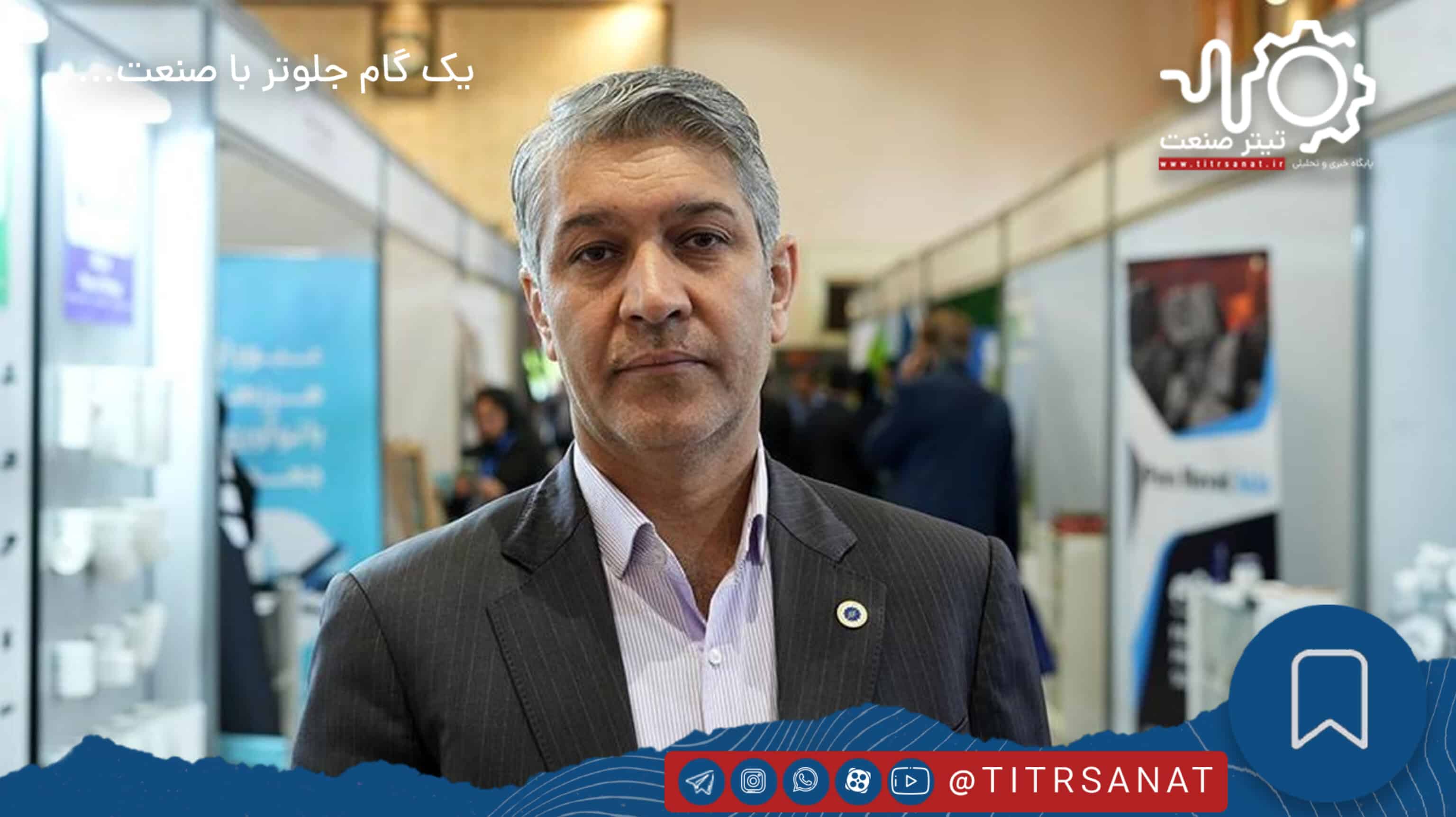
Mining as the Beating Heart of the Economy; 15-Year Tax Exemptions, Sustainable Security, and Ready Infrastructure for Mining Industry Development
Alireza Khamehzar, President of the South Khorasan Chamber of Commerce, Industries, Mines and Agriculture, emphasizing the province’s exceptional mining potential, announced that all necessary conditions for investment in the mining sector are in place. He stated: “The red carpet for mining development has been rolled out in South Khorasan, and we are fully prepared, with the support of the private sector and national investors, to expand value creation and mineral processing within the province.”
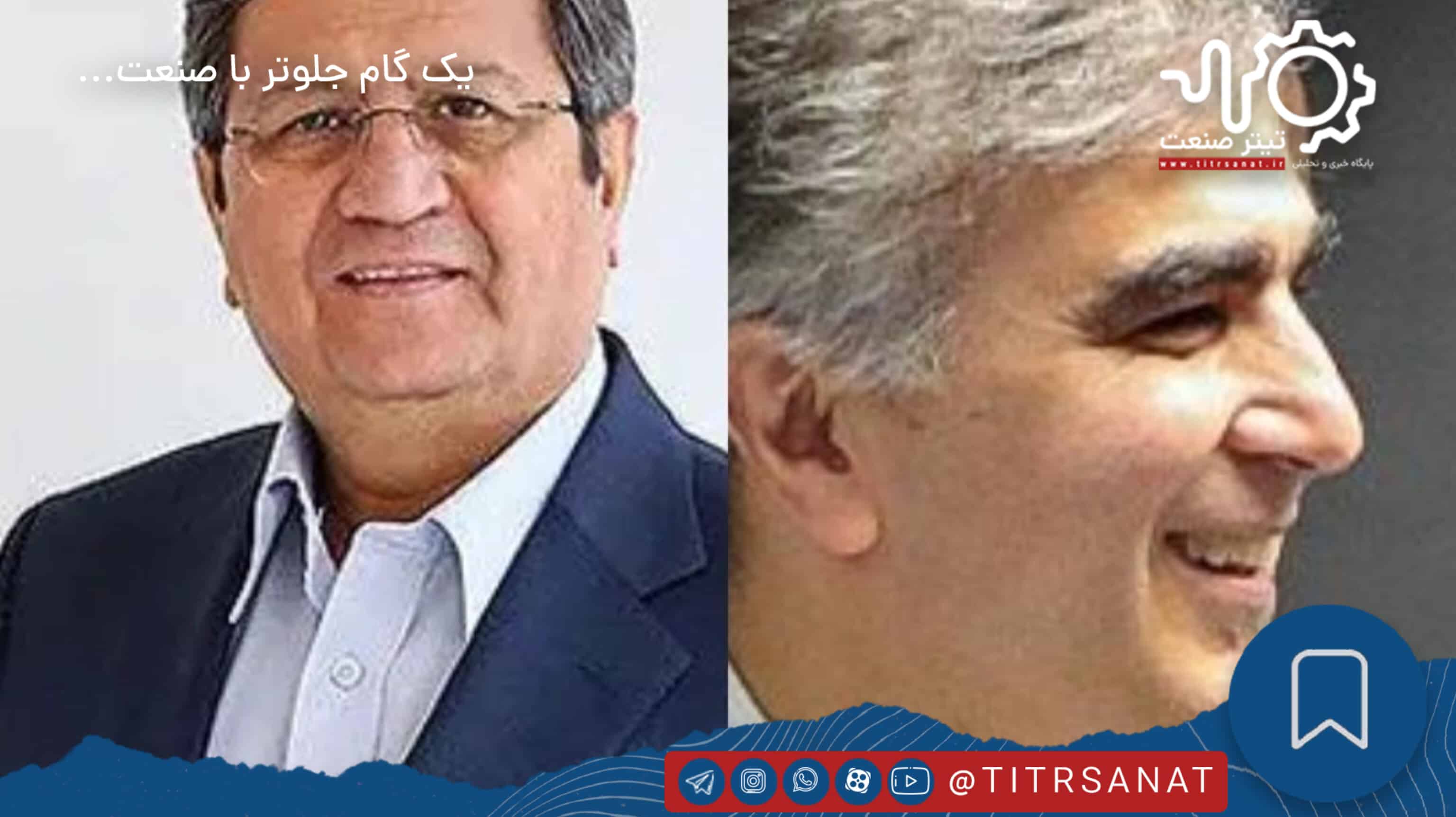
Leadership Vacuum and a Flashback
Not so long ago, when the U.S. dollar was trading at around 9,400 tomans, Abdolnaser Hemmati, then Governor of the Central Bank, came under sharp criticism from both Parliament and the government—so intense that even rumors of his dismissal began to circulate.
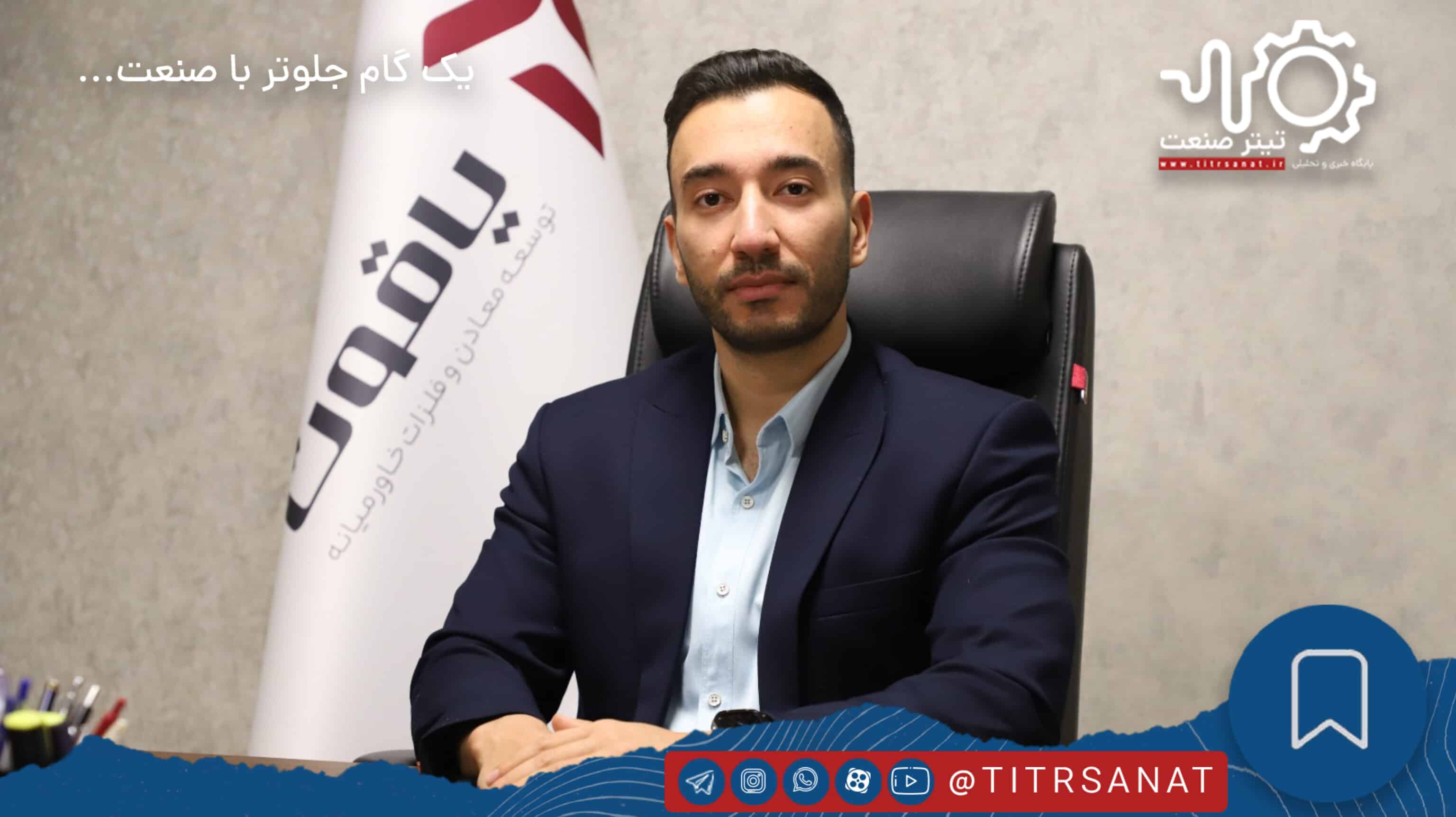
Yaghout Mining and Metals Development of the Middle East; “Vamaaden’s” Intelligent Exploration Arm Driving the Transformation of Iran’s Drilling Technology
Yaghout Mining and Metals Development of the Middle East, as a subsidiary of Minerals and Metals Development Investment Company, has over the past two years consolidated its position as one of the country’s most active mining drilling and exploration contractors. This achievement has been driven by the adoption of advanced technologies, equipment modernization, skilled human resources, and the implementation of a structured knowledge management system.
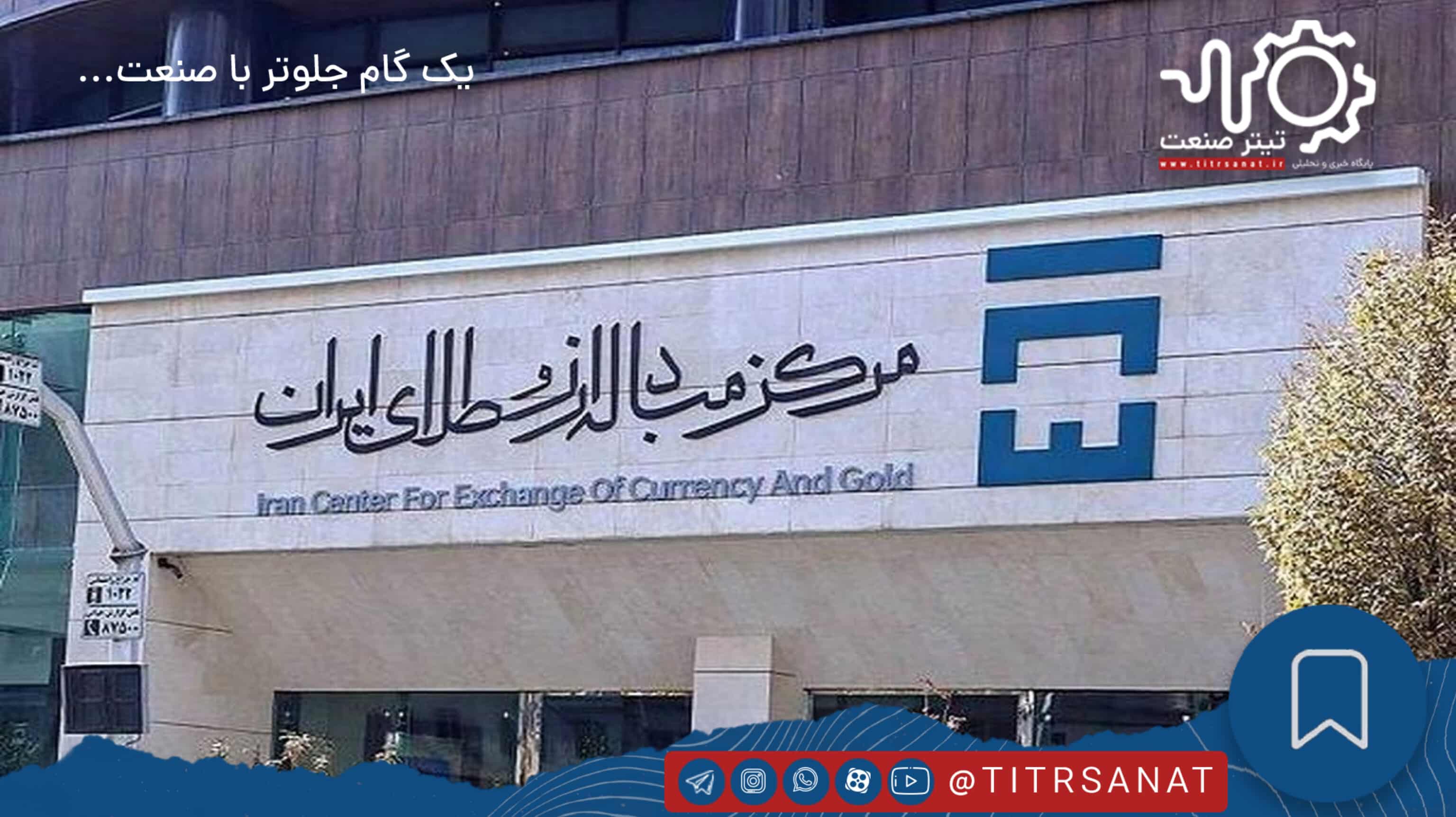
Transfer of 59 Services to the Second Tier Signals Alarm Over Rising Costs of Healthcare, Education, and Foreign Exchange Services
The transfer of 59 service categories from the First Hall to the Second Hall of the Currency Exchange Center effectively marks an official farewell to government-subsidized and NIMA exchange rates for these items, replacing them with a rate close to the free-market dollar. This shift directly passes the gap between the previous rate of around 77,000 tomans and the current level of 107,000 tomans per dollar (an instantaneous rate change) onto medical bills, international tuition fees, travel expenses, research services, and dozens of other foreign-currency-based costs. As a result, it places simultaneous pressure on household livelihoods, the financial balance of businesses, and the government’s fiscal equilibrium.
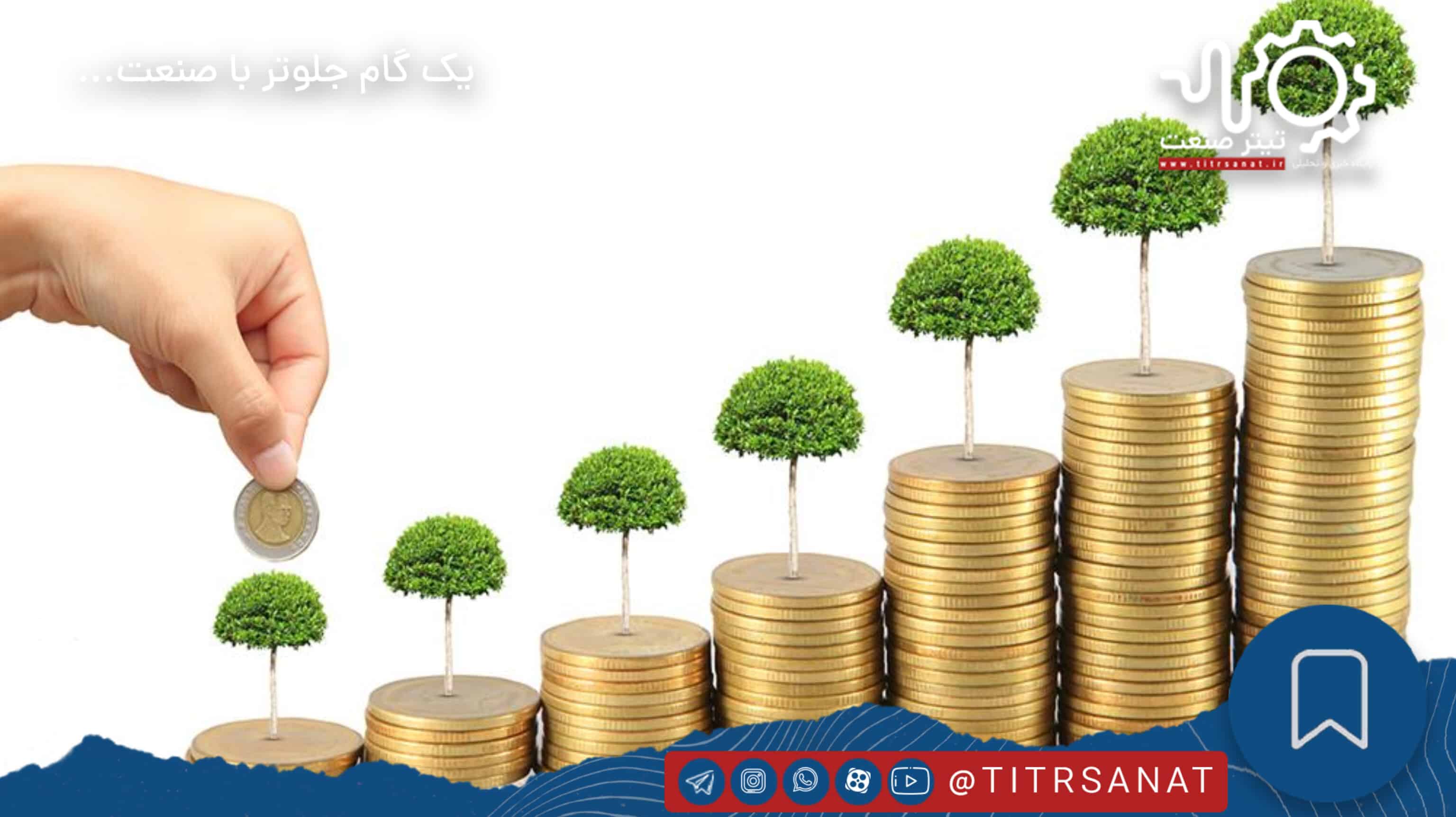
Monetary Alarm Bells in Iran’s Economy: Surge in Liquidity and Monetary Base in Mordad 1404 Under the Shadow of Government Debt
The latest report on monetary variables shows that liquidity, the monetary base, and government debt to the banking system reached new highs between 2021 and Mordad 1404 (August 2025), while the composition of liquidity shifted toward hotter money, increasing the ratio of money to total liquidity. At the same time, banks’ debt to the Central Bank declined and was replaced by a surge in government debt. This trend points to a widening budget deficit, mounting pressure on the Central Bank, and the persistence of high inflation risks in the months ahead.

At the Crossroads of Inflation and Recession in Industry: A New Price Map for Steel, Mining, Cement, and Petrochemicals
While Iran’s economy struggles under the simultaneous pressure of chronic inflation, sharp exchange rate fluctuations, and a slowdown in construction activity, the latest Iran Mercantile Exchange data for Aban 1404 paints a distinct picture across all four main fronts of the market. In this landscape, copper—posting an approximate 18% month-on-month increase and a 100% year-on-year surge—stands at the epicenter of volatility, while steel, cement, and petrochemicals, each under the shadow of high energy costs, export restrictions, and weakening domestic demand, are seeking a new balance between pricing and survival.
A Close-Up Look at Iran’s Commodity Market: Price Shifts Across Industrial and Consumer Sectors
An analysis of Iran’s commodity market data in recent years shows that the inflationary wave and price surges have significantly affected industry, food products, and metals. This report, by examining trends and the underlying causes of these changes, provides a clear picture of the challenges facing economic actors.
Riyadh’s Geo-Mining Pivot — Will the New U.S.–Saudi Alignment Reshape Investment Dynamics in the Region’s Mineral Sector?
While analysts are largely focused on the political and military implications of the upcoming meeting between Mohammed bin Salman and Donald Trump in Washington, Riyadh’s moves in “mining diplomacy” may signal the beginning of a new chapter in the global race for critical minerals—an arena that now influences everything from energy security to the strategic calculus of major powers, and one that directly affects the future of regional mining companies, including those in Iran
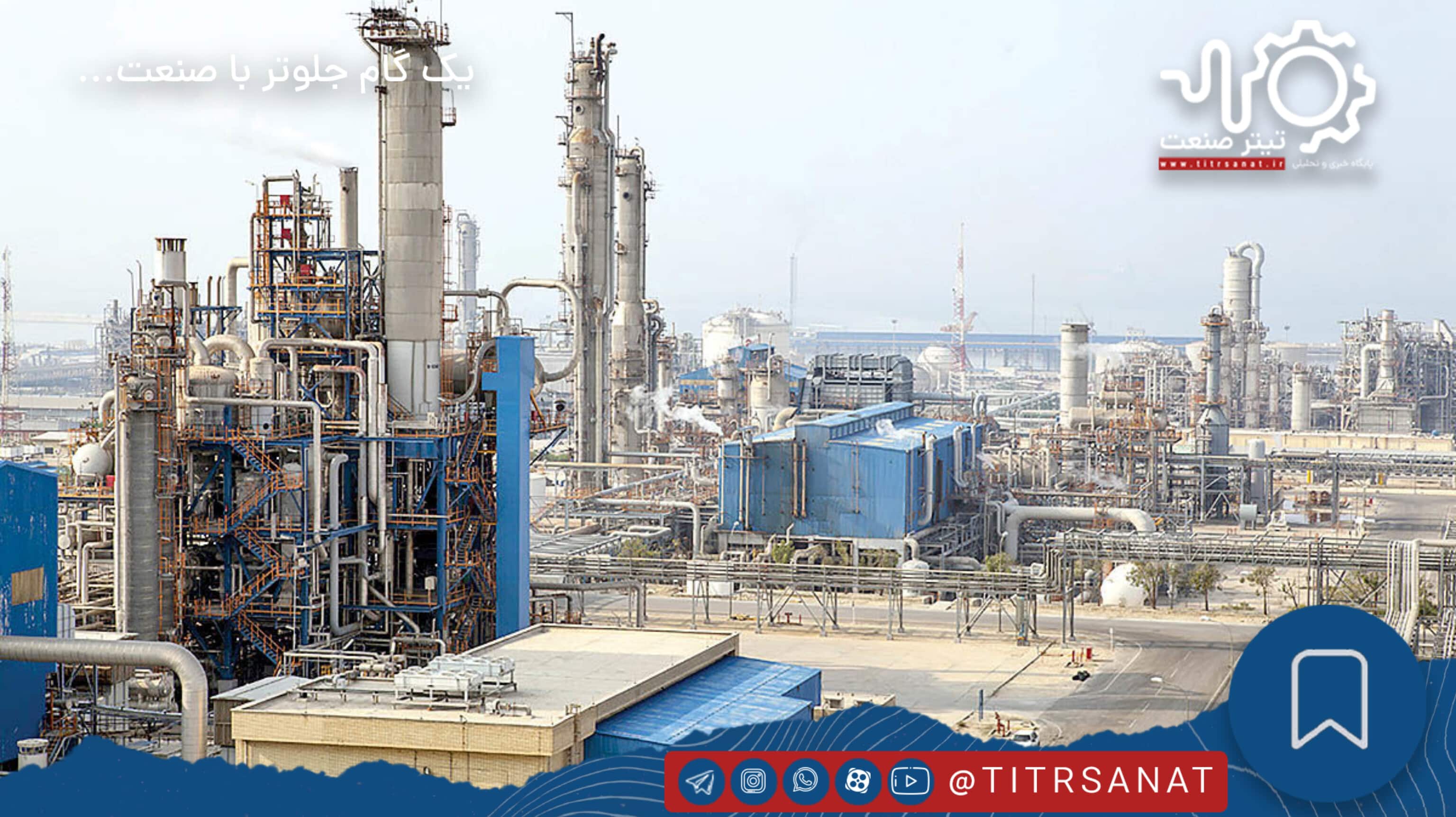
Pardis Petrochemical Company: 18 Years of Leadership in Food Security and Sustainable Development
On 1 November 2007, Pardis Petrochemical Complex launched its first production phase, marking a major step in Iran’s petrochemical industry. Established with the mission of supporting food security and sustainable development, the complex is now, after 18 years, recognized as the largest producer of ammonia and urea in the Middle East.
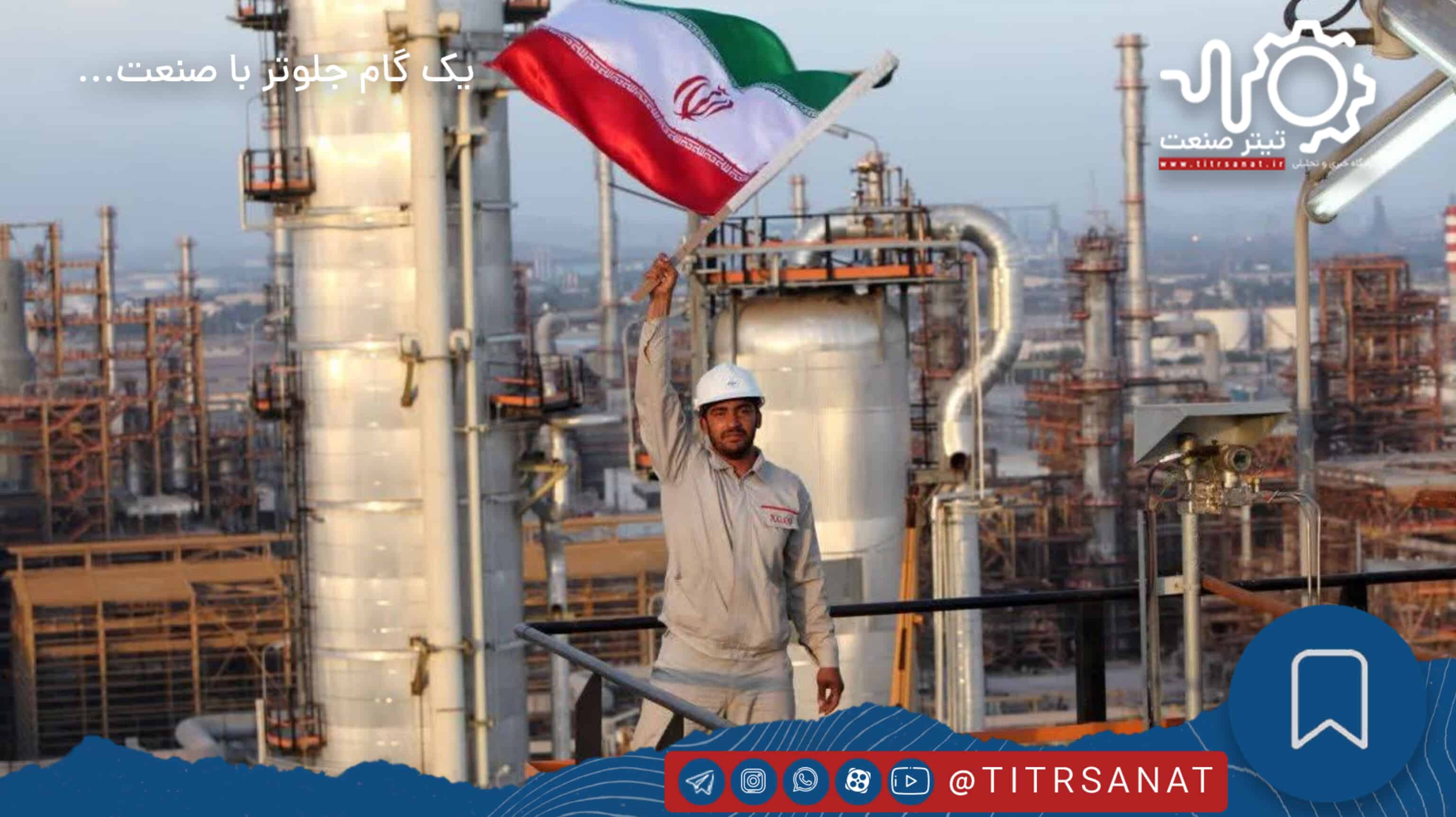
Successful Model in Optimal Management, Continuous Development, and Profitability in the Refining Industry / Major Steps Taken by Bandar Abbas Oil Refining Company with Growth in Production and Profitability Indicators
Bandar Abbas Oil Refining Company succeeded in increasing its production by 8.3% in the first half of 1404 compared to the same period last year, while also more than quadrupling its net profit

Comprehensive Analysis of the Commodity Market in Steel, Mining, and Petrochemical Sectors during the First Half of 2025; Price Fluctuations and Influencing Factors
An examination of recent price trends in Iran’s commodity markets across the steel, mining, and petrochemical sectors in Shahrivar 1404 (August–September 2025) reveals significant price increases in certain products and notable volatility in urea fertilizer and lubcut markets. These shifts are influenced by both domestic and global factors—including construction demand, infrastructure projects, and exchange rate fluctuations—that have precisely shaped the current market outlook

Comprehensive Commodity Market Analysis of Steel, Mining, and Petrochemical Sectors in the First Half of 2025:
Price Fluctuations and Influencing Factors
An examination of the latest price trends in the commodity markets of the steel, mining, and petrochemical sectors during Shahrivar 1404 (September 2025) reveals a significant increase in certain products and notable fluctuations in urea fertilizer and lube cut oil.
These changes are influenced by both domestic and global factors, including construction demand, infrastructure projects, and currency exchange rate volatility, all of which have precisely shaped the current market outlook.