



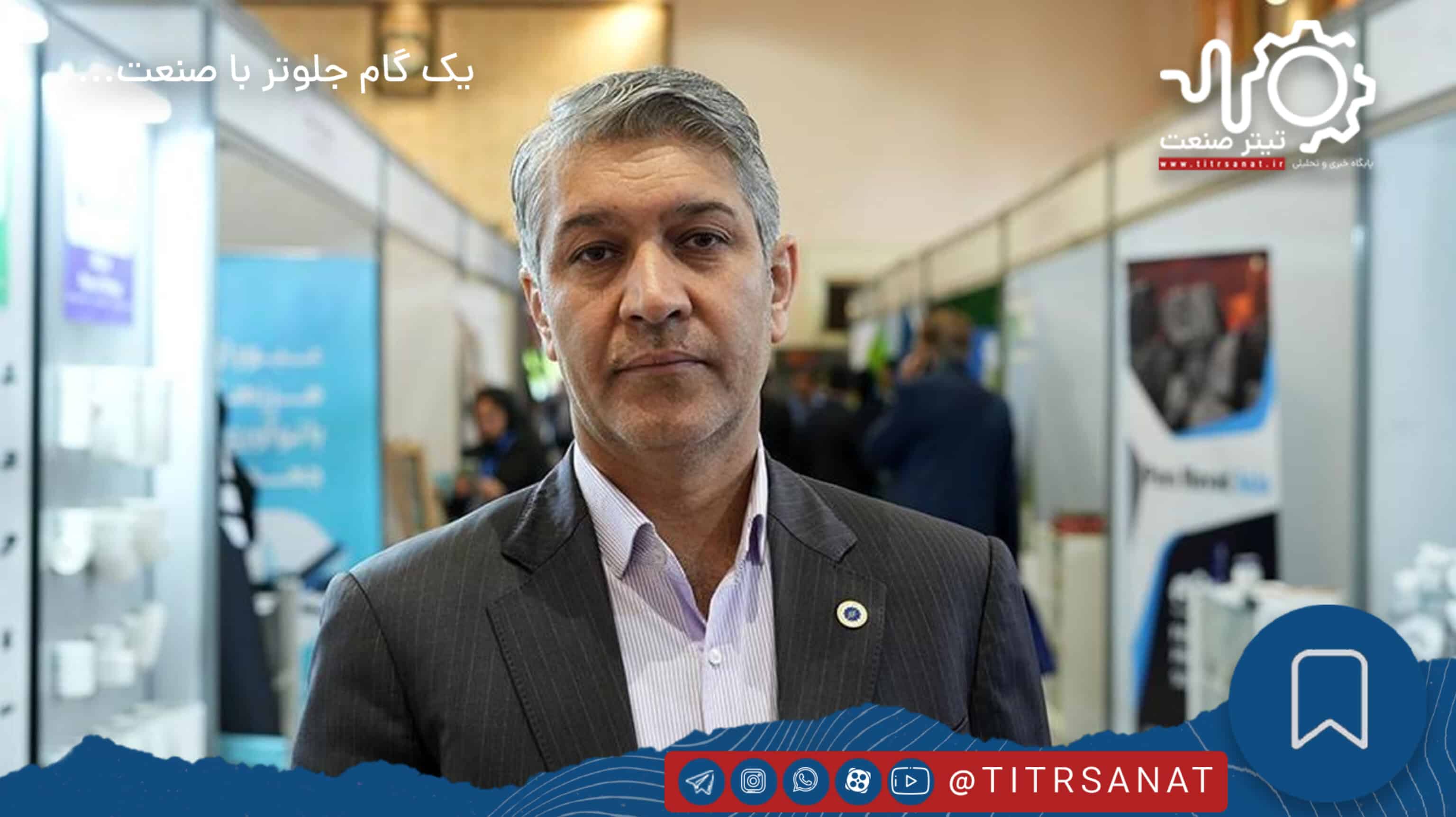



According to Titrsanat, not so long ago the U.S. dollar was trading at around 9,400 tomans, and Abdolnaser Hemmati, then Governor of the Central Bank of Iran, was placed under intense criticism from both Parliament and the government—so severe that rumors of his dismissal were openly circulating. Eventually, he stepped away from monetary policymaking without much ceremony, in the hope that relative calm might return to the foreign exchange market.
Yet Iran’s economic history turned a page in a way few anticipated. Today, with the dollar surpassing 144,000 tomans and the market struggling amid profound distrust, Hemmati’s name has resurfaced—not as a savior, but as a symbol of a recurring cycle. Mohammad Reza Farzin, who assumed the governorship of the Central Bank in January 2023 with the promise of “restoring stability to the foreign exchange market,” now finds himself, after two years of controversial policies, in a position where the distance between an honorable resignation and a humiliating dismissal has virtually vanished.
At a time when the exchange rate has surged sharply over recent months and public trust in the currency policymaker has collapsed, talk of the return of figures such as Abdolnaser Hemmati is more than ever a clear sign of an economic leadership vacuum.
Did gold prices actually fall in the past decade after the execution of the so-called “Vahid Mazloumi, the Sultan of Coins”?
Did inflation ever truly subside simply by changing central bank governors? The reality is that Iran’s economy has not gone off course because of individuals, but because of a corrupt, rent-dependent structure. Today’s Iranian economy is the victim of decades of stubborn policymaking, sanction-driven constraints, short-term decisions, and deep-rooted speculation woven into the fabric of the financial system. Every government that has come to power has chosen temporary painkillers over structural reform, attempting to keep the patient standing rather than treating the underlying disease.
The result? A market in which the national currency loses value by the day, capital flees from productive activity into speculation, and the very idea of development turns into an unattainable dream. Now, in the final days of the year, talk of reshuffling figures at the Central Bank recalls an old proverb: a house rotten at its foundations cannot be fixed by repainting the walls. As long as the country’s economic decision-making system remains captive to short-term interests and performative policies, repeatedly turning back to familiar faces serves only as a flashback—to a past that never truly passed.














Comments